For more stories like this, sign up for the PLANSPONSOR NEWSDash daily newsletter.
Compliance February 25, 2026
RCH Urges Plan Sponsors to Adopt Sound Uncashed-Check Resolution Policy
Uncashed checks carry fiduciary and regulatory implications, a Retirement Clearinghouse article warned.
Reported by
Emily Boyle

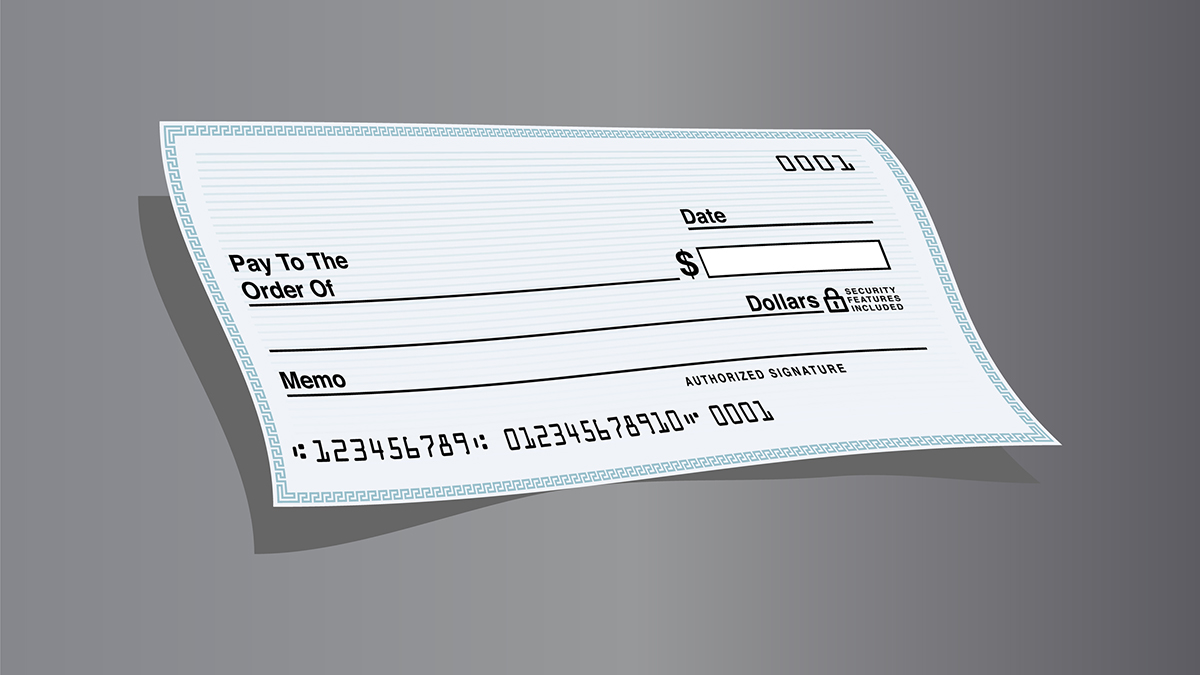
Uncashed checks representing plan distributions may cause regulatory and legal headaches for plan sponsors, but a sound resolution policy can proactively minimize the pain, according to a Retirement Clearinghouse article published this month.
Retirement plan distribution checks are deemed uncashed when plan participants fail to deposit a distribution from their qualified retirement savings account for several reasons, including an incorrect mailing address, a lost or misplaced physical check, and inaction on the part of the participant.
Because uncashed checks are still plan assets, plan sponsors incur administrative costs for maintaining them until the check is cashed or otherwise resolved. The checks also pose fiduciary liability for plan sponsors, especially in the event the check—which accumulates no interest or earnings—is mishandled by the sponsor.
A Sample Resolution Policy
RCH recommended that an uncashed distribution check policy begin with a “purpose” section, including a “clear statement of intent” that ensures consistency with requirements from the Employee Retirement Income Security Act, the Internal Revenue Service and the Department of Labor. The policy’s purpose can include:
- When and how to use automatic rollovers to safe harbor individual retirement accounts for eligible distributions;
- How to treat checks that have already been issued but gone uncashed; and
- When to transfer already-distributed amounts to a taxable savings account in the participant’s name when the balance is not eligible for a rollover to an IRA.
An effective policy should also include a section defining key terminology to ensure all stakeholders are aligned in their understanding, according to RCH. The organization stated that common definitions for inclusion would cover those regarding automatic rollovers and safe harbor IRAs; mandatory distribution thresholds, including the SECURE 2.0 Act of 2022’s updated $7,000 limit for eligible small balance cashouts; eligible rollover distributions; and the tax treatment of uncashed distribution checks.
A “policy statement” section, outlining how the plan handles different uncashed check scenarios, should form the heart of the policy, RCH recommended. The policy statement section should provide detailed explanations on how to address the scenarios mentioned in the purpose section.
Another section of the policy should assign roles and responsibilities to the plan administrator and recordkeeper/trustee. A final section should include references to applicable legislation, regulations or guidance—such as the IRS’ Revenue Ruling 2025-15, published last July.
Preventive Practices
In a white paper, Inspira Financial Health Inc. recommended actions plan sponsors should take to prevent uncashed checks from going missing in the first place, including:
- Encouraging quarterly updates of an employee’s address and contact information;
- Collecting an employee’s personal email address or cell phone number during the offboarding process;
- Including information about rollover options in the offboarding process; and
- Keeping data accurate and complete during corporate transactions or changes in recordkeepers.
“While automatic rollover IRAs are the best solution for existing uncashed checks, plan sponsors would be best served to try and avoid them altogether,” Inspira stated in its paper.